




Running dog pattern

The running dog pattern - sometimes simply referred to as running dog - was also known as Vitruvian scroll, Vitruvian wave and wave scroll. It is a repeating wave-like pattern that also looks like a series of scrolls if viewed from the end and joined together.
Running dog was often used in friezes, mouldings and other types of architectural borders. It was carved or painted onto the surface and appeared as the central element of a classical band or entablature.
The style can be found in the Roman Composite Classical order that appeared in the fifth century BC. It also appeared in Greek and Roman revival architecture.
The origin of the name running dog is unknown. However, the term is also frequently used for the same type of pattern (which can look like a series of dogs running) on certain ancient Persian carpets.
[edit] Related articles on Designing Buildings Wiki
Featured articles
Check out some of the best features and news from Designing Buildings as well as key stories from around the web.
ECA responds to the Milburn Report

Youth employment to be linked to workforce demand.
The construction industry urgently needs to attract new talent

CIOB responds to Neets report.
Grenfell Tower community update
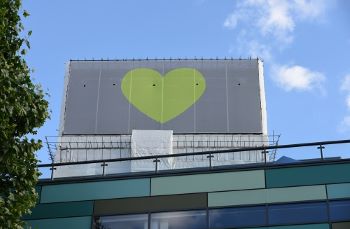
Memorial columns to be retained as careful dismantling continues.

When buildings reflected the local resources available.

CIOB reports 57% are using artificial intelligence technologies.

More of England’s ‘hidden heroes’ will be celebrated.

CIAT calls for retrofit to be a priority.

Version 6 is now available, along with guidance for ECA members.

Post-War Homes: mid-century British architecture. Book review.

CIAT reflects on the party conferences.

CIOB announce the winners of the Art of Building photography competition.

National Scheme of Delegation introduced.